people
Collaborated with
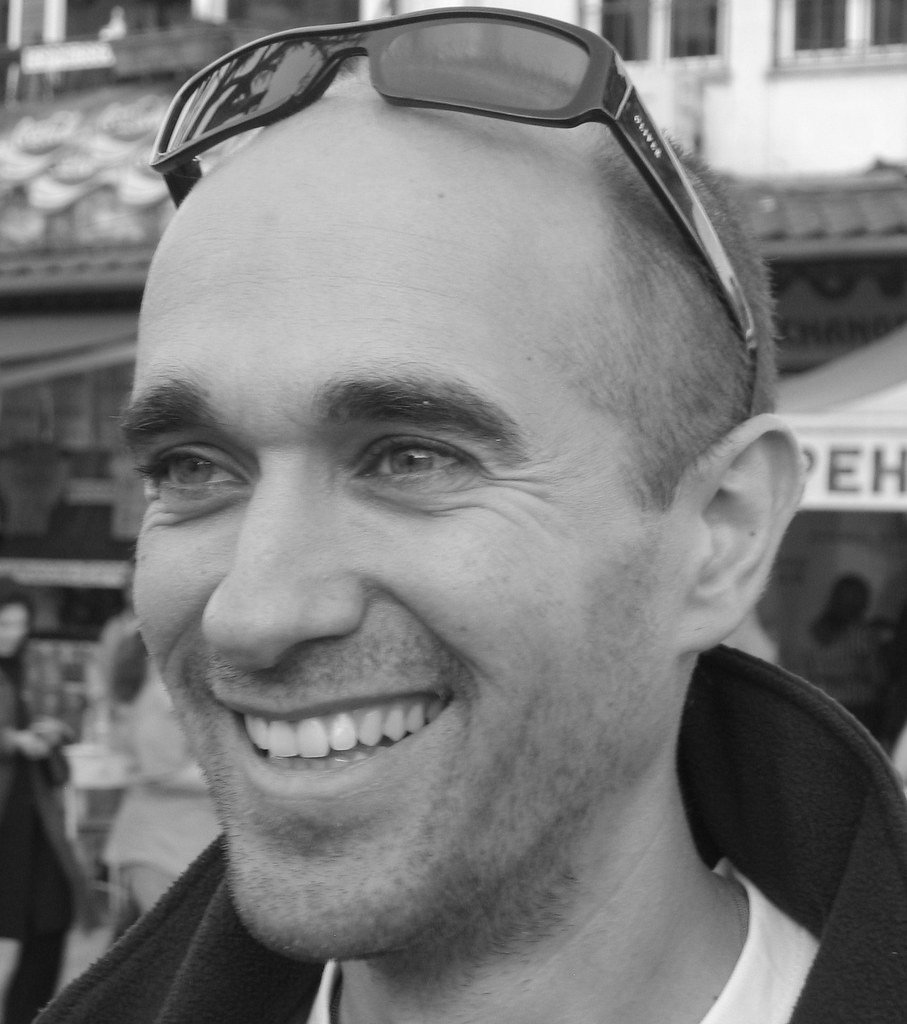
Professor Themis Palpanas, Distinguished Professor of Computer Science at Universite Paris Cite and Senior Member of the French University Institute (IUF), is a leading figure in technology and innovation. As the Director of LIPADE and head of the Data Intelligence Institute of Paris (diiP), he champions positive change through technology. Organizing the University of Paris Seminar Series on Data Analytics, Professor Palpanas showcases a commitment to interdisciplinary knowledge advancement. His research, specializing in data science challenges such as online and offline big data analytics and machine learning applications, garners support from entities like the EU, IUF, CNRS, and industry leaders. Guided by Professor Palpanas, this research has earned recognition, including awards and numerous patents, solidifying his influential role in the convergence of technology, innovation, and everyday life.
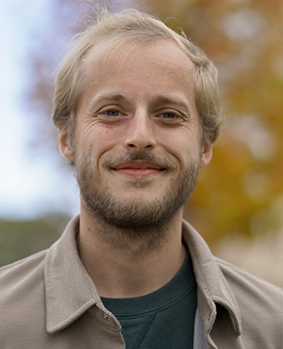
Paul Boniol, a researcher at Inria and a member of the VALDA project-team, stands at the forefront of data science and computational research. With a Ph.D. earned at the University of Paris and EDF R&D, collaborating with luminaries such as Prof. Themis Palpanas, Emmanuel Remy, and Mohammed Meftah, Paul’s academic journey also includes a Postdoctoral research role at Ecole Normale Supérieure (ENS) Paris Saclay, working with Prof. Laurent Oudre. Enriching his expertise through an internship at the University of Chicago under the guidance of Prof. Michael J. Franklin and Prof. John Paparrizos, Paul’s foundational education in computer science and applied mathematics at Grenoble INP ENSIMAG engineering school has been pivotal. His earlier contributions as a research engineer at the computer science lab of Ecole Polytechnique, collaborating with Prof. Michalis Vazirgiannis’s team, reflect his commitment to advancing the frontiers of computational research and data science.
Professor Hongliang Ren, a distinguished scholar in Electronic Engineering with a specialization in Biomedical Engineering, earned his Ph.D. from The Chinese University of Hong Kong (CUHK) in 2008. Throughout his academic journey, Professor Ren has navigated esteemed institutions, including CUHK, UC Berkeley, Johns Hopkins University, Children’s Hospital Boston, Harvard Medical School, Children’s National Medical Center in the United States, and the National University of Singapore. As an Associate Editor for IEEE Transactions on Automation Science & Engineering (T-ASE) and Medical & Biological Engineering & Computing (MBEC), Professor Ren has played a pivotal role in advancing research in his field. His commitment extends to active participation in various capacities in prestigious robotics conferences, such as IEEE Conf. on Robotics and Automation (ICRA), IEEE Conf. on Intelligent Robots and Systems (IROS), as well as domain-specific conferences like MICCAI, ROBIO, BIOROB, ICIA, and CVPR. Notably, he has held key roles, including publicity chair for ICRA 2017, Organizing Chair for ICRA 2017 workshop on Surgical Robots, and video chair for ICRA 2021. Professor Ren is a sought-after speaker, delivering numerous invited keynotes and talks at flagship conferences and workshops, including ICRA, IROS, ROBIO, MICCAI, CVPR, and ICIA. His contributions to the field have been recognized with multiple awards, including the IFMBE/IAMBE Early Career Award 2018, Interstellar Early Career Investigator Award 2018, Health Longevity Catalyst Award (2022 by NAM & RGC), NUS Engineering Young Researcher Award (2019), ICBHI Young Investigator Award (2019), NUS Young Investigator Award (2013), and several Best Paper Awards in conferences such as IEEE-ROBIO, IEEE-RCAR, IEEE-CCECE, and IEEE-Cyber, among others. Professor Hongliang Ren’s outstanding achievements reflect his dedication to advancing the frontiers of biomedical engineering and robotics.

Lalith Seenivasan, a fourth-year Ph.D. candidate at the Medical Mechatronics Lab (MMLAB), Department of Biomedical Engineering, National University of Singapore, is making significant strides under the guidance of Prof. Ren Hongliang and in collaboration with Dr. Mobarakol Islam. With a Bachelor’s degree (Hons) in Electrical Engineering from the National University of Singapore and a Diploma in Mechatronics from Temasek Polytechnic, Singapore, he brings a robust academic foundation to his research in artificial intelligence’s applications in robotic surgery. Seenivasan’s focus spans semantic segmentation, surgical scene graph, surgical data science, and surgical action & phase recognition. Venturing into natural language processing in robotic surgery, he concentrates on surgical visual question answering and surgical scene captioning. Seenivasan’s comprehensive research agenda reflects not only his academic prowess but also a steadfast dedication to advancing knowledge and innovation at the dynamic intersection of advanced technology and medical applications..
Professor Arun K. Tangirala, serving as a Professor in the Department of Chemical Engineering at IIT Madras since 2004, embodies a distinguished academic career marked by significant contributions to research and education. His broad research interests encompass process control, monitoring, identification, applied signal processing, and fuel cell systems. In addition to his impactful research, Dr. Tangirala is a dedicated educator, offering comprehensive courses on process control, system identification, wavelet transforms, random processes, and fuel cell systems. His authoritative textbook, “Principles of System Identification: Theory and Practice,” published by CRC Press, stands as a testament to his expertise in the field. Acknowledged for his excellence in teaching and research, Dr. Tangirala has garnered prestigious awards and international fellowships, along with holding Visiting Professorship positions at esteemed institutions worldwide. Noteworthy accolades include the Young Faculty Recognition Award in 2010 and the Institute Research and Development Award (Junior Level) in 2014 from IIT Madras. His recent publication, “Principles of System Identification,” further solidifies his influential role in chemical engineering and system identification, offering a comprehensive resource for students and professionals alike.
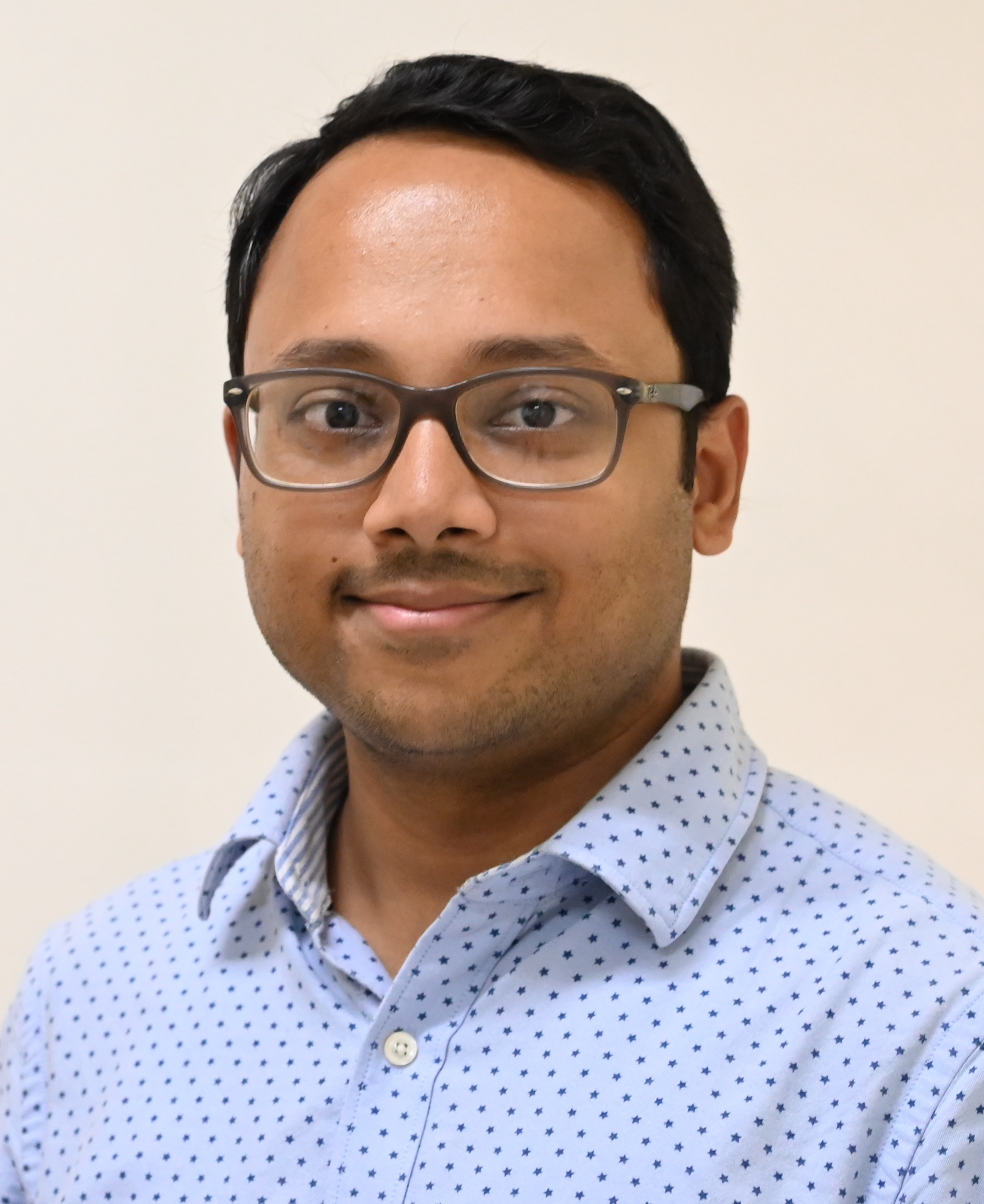
Professor Himanshu Goyal is an Assistant Professor in the Department of Chemical Engineering at the Indian Institute of Technology, Madras, India. Holding a Ph.D. from Cornell University’s School of Chemical and Biomolecular Engineering in the USA, he leverages extensive academic expertise. Having previously served as a Postdoctoral Researcher at the University of Delaware, USA, Himanshu’s research group specializes in multiscale modeling and simulations of multiphase and multiphysics systems. Their work is dedicated to advancing clean energy and process intensification technologies, with a primary focus on applications such as the thermochemical conversion of biomass into fuels and chemicals, chemical looping combustion for carbon capture, microwave-assisted process intensification, kinetic modeling, and machine learning applications. This multifaceted approach places Himanshu Goyal at the forefront of innovative and sustainable contributions to the field of chemical engineering.